How Dealerships and Technicians Can Reduce Pre-Season Service Load with Better Diagnostic Clarity

Every year, dealership service centers and mobile technicians face the same challenge: a surge of pre-season appointments as RV owners prepare for spring travel. Many of these calls stem from unclear symptoms, repeat visits, or difficulty identifying the root cause of system issues quickly. For technicians, time is at a premium. For service managers, every minute lost to unnecessarily long diagnostics reduces billable efficiency and customer satisfaction.
Diagnostic clarity is one of the most effective ways to reduce pre-season service load. When technicians can isolate issues faster and owners arrive with clearer information, shops experience fewer bottlenecks, more accurate repair timelines, and higher first-time fix rates. This aligns directly with the needs and pain points documented across Firefly's dealer and technician personas, particularly around efficiency, training, and reducing wait times.
This article offers practical, non-proprietary strategies that help dealerships and technicians improve diagnostic clarity—without requiring engineering-level data or privileged system information.
Why Pre-Season Workloads Spike and How Diagnostic Clarity Helps
Pre-season service demand increases for several predictable reasons:
- RV owners uncover issues during winterization or startup
- Hidden electrical or HVAC concerns surface after long storage
- Owners want peace of mind before long spring trips
- Dealerships conduct warranty inspections and accessory installs
For service teams already stretched thin, the root challenge isn't the volume—it's the lack of clarity. Technicians often face:
- Vague symptoms from customers
- Multiple systems interacting (lighting, slides, HVAC)
- Time spent isolating which subsystem is involved
- Repeat visits when the original issue was only part of the problem
Clearer diagnostics streamline this dramatically. Even basic, non-proprietary clarity—such as improved context gathering, standardized intake forms, or clear symptom categorization—can cut troubleshooting time and reduce callbacks. These improvements support the technician persona's goals of increasing first-time fix rate and minimizing customer frustration.
Standardizing Intake to Reduce “Mystery Symptoms”

A consistent intake process is one of the simplest high-impact tools a service center can introduce.
Use Structured Symptom Descriptions
Rather than general statements like “lights don't work,” intake forms or service writers can collect:
- Which zone of the RV saw the issue
- Whether the symptom is constant or intermittent
- Whether it occurred on shore power, generator, or battery
- Any recent upgrades, storage changes, or weather exposure
This level of detail helps technicians get closer to the root cause before the RV even reaches a bay.
Train service writers to categorize issues
Service writers often serve as the first line of diagnostics. Even without technical training, they can categorize symptoms into high-level system groups:
- Power / battery
- Lighting
- HVAC
- Slides / awnings
- Tank monitoring
- User interface behavior
This reduces the guesswork that typically slows down early troubleshooting.
Example Scenario
A customer says: “The AC isn't cooling.” Instead of passing this along verbatim, a structured intake clarifies:
- “AC runs but doesn't reach set temperature”
- “Occurred only when boondocking”
- “Thermostat screen responsive”
- “Owner recently replaced batteries”
The technician now enters the job with clear direction and avoids unnecessary exploratory steps.
Improving Technician Visibility Through Organized Documentation
Dealerships often have the right documentation—they just lack a system for quick access when the bays are full.
Recommendations for better visibility:
- Maintain a centralized, indexed repository of manuals, guides, and non-proprietary troubleshooting content
- Organize by RV model + model year
- Include notes from past service jobs to identify recurring issues
- Use digital storage for rapid search
Keeping Records Updated
Pre-season is the worst time to realize documentation is out of date. Assign a tech or service manager to review and update documentation during slower months—this proactive step pays off immediately when spring arrives.
Example Scenario
A technician encounters inconsistent slide performance. Instead of searching through multiple folders or calling support prematurely, they quickly access:
- The correct model-year document
- Known symptoms previously recorded for that OEM's system
- Basic non-proprietary diagnostic guidance
This often eliminates unnecessary troubleshooting steps and accelerates time-to-resolution.
Enhancing First-Time Fix Rates with Better Customer Education
Reducing pre-season workload isn't only about what happens inside the service bay—it often begins with informed owners.
Dealerships can reduce unnecessary service appointments by improving what owners understand about normal system behavior, expected seasonal symptoms, and the steps they should try before visiting. What this looks like in practice:
- Simple “Season Startup Checklists” given during winterization
- Short walk-through videos sent via email prior to spring
- Basic “If X happens, check Y first” education (non-technical and safe)
- Quick visual guides placed at the parts counter
Example Scenario
An owner schedules an appointment because “none of the lights work.” After receiving a simple pre-startup checklist, they discover their battery disconnect was still switched off—no dealership visit required, reducing unnecessary load on technicians.
Strengthening Staff Training Without Adding Complexity
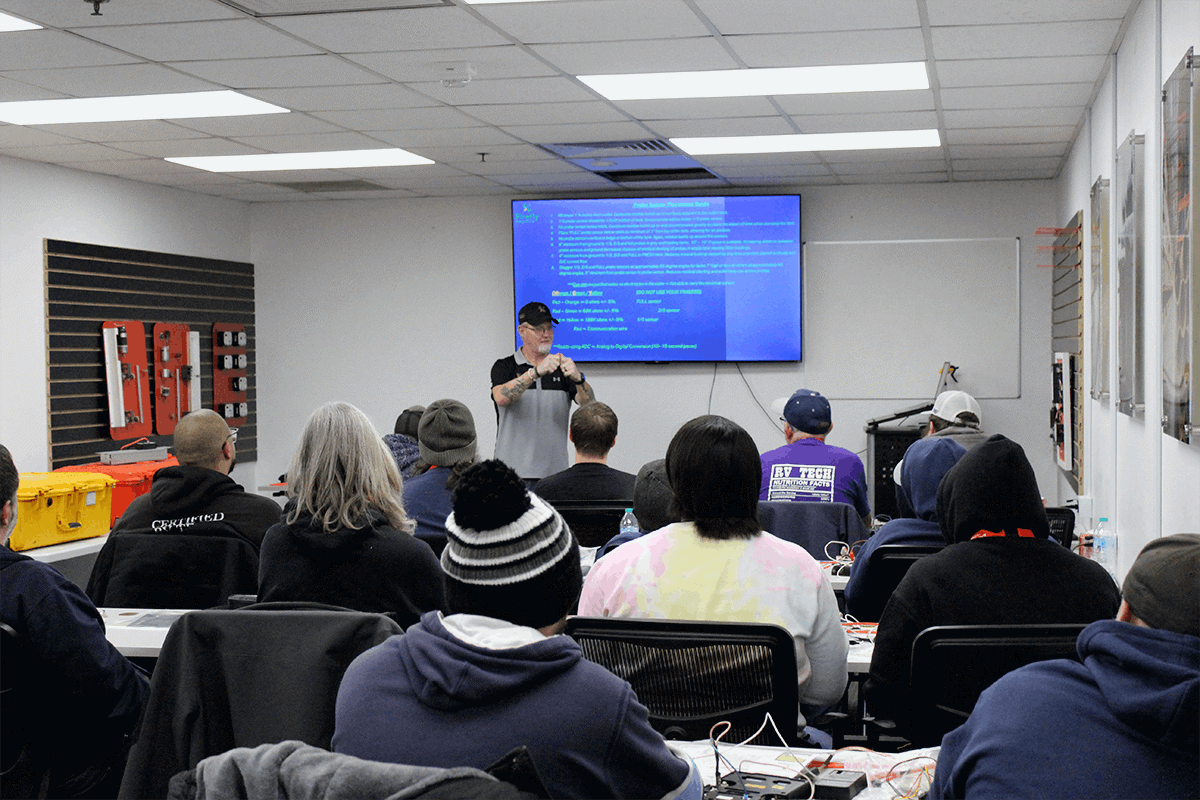
Better diagnostic clarity depends heavily on confident technicians. When technicians understand how Firefly-powered systems are designed to behave, they spend less time second-guessing symptoms and more time resolving issues efficiently.
One of the most effective ways dealerships can improve technician readiness is by ensuring their teams complete the Firefly Integrations Training Academy. The academy provides structured, role-appropriate training that helps technicians build a foundational understanding of system behavior, common symptom patterns, and best practices—without overwhelming them with proprietary or engineering-level details.
Additional ways dealerships can reinforce technician readiness include:
- Encouraging completion of Firefly Integrations Training Academy modules for all new and existing technicians
- Conducting quarterly internal training refreshers tied to seasonal service trends
- Hosting short lunch-and-learn sessions focused on common pre-season issues
- Sharing brief video recaps of unusual service cases encountered in the field
- Allowing technicians to maintain their own internal knowledge base of “quick fixes” and lessons learned
Lean, actionable training improves diagnostic confidence, reduces unnecessary escalations, and increases first-time fix rates—especially during the pre-season rush.
Diagnostic Clarity Protects Your Time and Your Customers
When dealerships and technicians strengthen intake processes, improve documentation access, educate owners, and maintain consistent training, pre-season service load becomes significantly easier to manage. Better diagnostic clarity means:
- Higher first-time fix rates
- Fewer unnecessary appointments
- More accurate timelines
- Reduced technician stress
- Stronger customer satisfaction and repeat business
These improvements ladder directly into the goals of service teams striving to reduce callbacks, work efficiently, and deliver exceptional customer experiences—especially during the busiest season of the year.